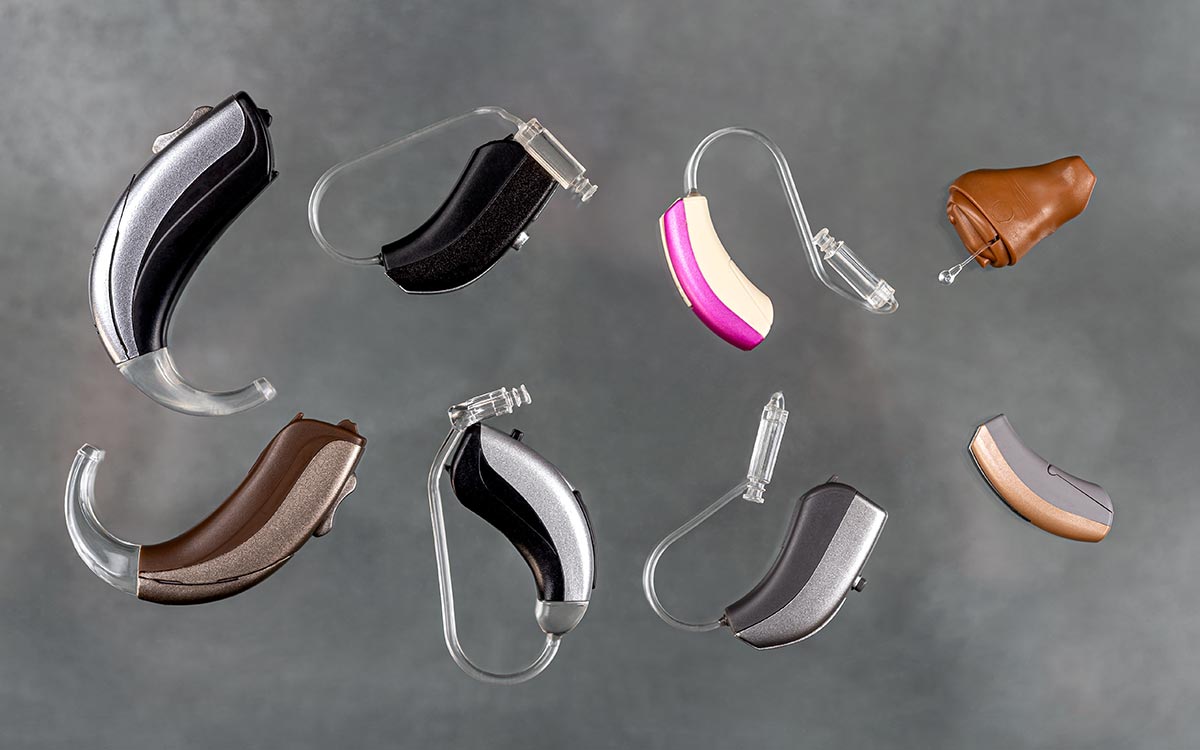
Choosing an instrument can feel overwhelming, especially when today’s units come in so many styles, sizes, and technology levels. However, an expert hearing solution exists for every person’s unique needs and daily habits. It’s just an issue of locating it!
Understanding the distinctions among the most popular types of hearing aids can help you feel more informed and confident as you explore your options. Today, we’re summarizing the different hearing aid styles and what makes each one unique.
ITC (In-the-Canal) Hearing Systems
The Design:
ITC hearing aids rest partially in the ear canal, with an inconspicuous portion visible at the outer ear.
The Perks:
- Provides an understated appearance compared to traditional styles
- Individualized shaping guarantees long-term wearing comfort
- A useful option for those with moderate hearing needs
Because they offer both discretion and useful features, ITC models are an excellent pick for those new to hearing technology.
IIC (Invisible-in-Canal) Engineering
How they work:
IIC models are the most miniature custom-fitted hearing solutions you can choose. These devices sit so deeply inside the ear that they are nearly impossible to see.
User Pros:
- Highest degree of invisibility for the wearer
- Microphone depth helps mimic the ear’s natural sound collection
- An ultra-light design makes them easy to wear all day
Because of their small stature, IIC devices typically work best for mild to moderate hearing loss and for those who prefer an almost invisible option.
ITE (In-the-Ear) Model Overview
Structural Data:
ITE hearing aids occupy either the whole outer ear (full-shell) or the lower portion (half-shell). They are custom-made to fit the contours of your ear.
Why users prefer ITE:
- Larger size allows for more features and longer battery life
- Provides a more manageable process for those who struggle with tiny accessories
- A versatile option that can address even significant levels of hearing loss
ITE models are frequently chosen by individuals who want a simple, all-in-one design without behind-the-ear components.
BTE (Behind-the-Ear) Basics
Operation:
An external hearing aid is placed outside the ear for an optimal fit. Audio travels through a specialized tubing or custom-fit mold into the ear opening.
Key Strengths:
- Very flexible and durable
- Can be programmed to assist users with everything from mild to profound loss
- Big enough to include sophisticated software and modern rechargeable technology
BTE devices are an excellent option for individuals seeking reliability, ease of use, and strong amplification.
Modern RIC Models
Design Specs:
While they match BTE units, RIC aids place the speaker directly in the canal for better sound delivery.
Why people choose them:
- Known for creating some of the most realistic audio in the industry
- Small, feather-light, and comfortable
- RIC technology is highly flexible for various different audiogram profiles.
Thanks to their comfort and visual appeal, RIC devices have become an industry standard.
Extended-Wear Hearing Aids
Introduction:
Extended-wear models are semi-permanent units that a professional fits into the ear for an interval of several weeks.
Why people select them:
- Zero daily insertion or removal
- They are virtually hard for people to notice because of their depth
- You can move about your whole life—including sports and rest—while wearing them
These models are the ultimate option for a low-maintenance, seamless hearing experience.
Smart Hearing Aids with Bluetooth
Digital Attributes:
Bluetooth-ready hearing aids allow for an electronic bridge between your hearing technology and your smart devices.
Why users choose them:
- Allows for crystal-clear phone calls and media streamed directly to the device
- Provides an unobtrusive way to manage your hearing environment from your mobile screen
- Improved ease for modern lifestyles
Bluetooth options are available across many styles, including RIC, BTE, and some ITC models.
Surgically Placed Middle-Ear Systems
Procedure Information:
An implantable solution that works by shaking the tiny bones inside the ear to provide amplified audio.
Why people choose them:
- Serves as a critical alternative for those who find no success with traditional amplification
- Comfortable alternative for chronic ear issues related to traditional devices
These devices require an exhaustive medical review by a hearing, nose, and throat expert.
Finding the Hearing Aid That Fits Your Life
Since each hearing aid design has distinct strengths, the best choice is based on your specific hearing needs, your daily activities, and your aesthetic goals. A hearing professional is your best resource for evaluating these options and finding an ideal choice for your daily routine.
If you’re ready to explore the possibilities, schedule an auditory evaluation today. Your future of assured communication starts with this first evaluation.
Sources:
https://www.mayoclinic.org/diseases-conditions/hearing-loss/in-depth/hearing-aids/art-
20044116
https://www.hearinglife.com/hearing-aids/types
https://www.nidcd.nih.gov/health/hearing-aids
