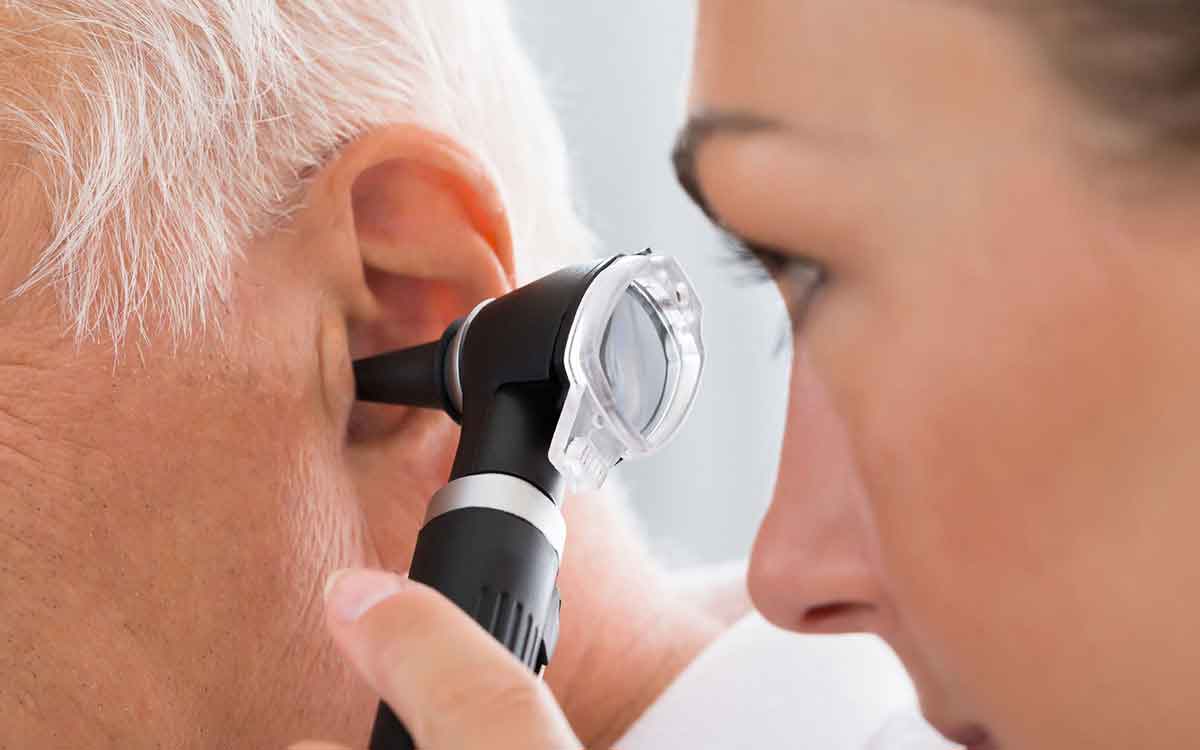
Hearing loss often occurs gradually, which results in it being overlooked during the initial stages. It is common for people to adjust to hearing shifts by elevating device volume and steering clear of gatherings with significant background noise.
Prioritizing an initial evaluation can assist in optimizing daily communication.
Recognizing Typical Early-Stage Hearing Loss Symptoms
If you experience any of the listed clinical signs, it is advisable to have your hearing checked.
- Difficulty understanding conversations, specifically in crowded settings with significant background noise.
- A regular need of requesting clarification during conversation.
- The perception of muffled or slurred speech where sounds lack definition.
- Setting higher volume levels for electronic devices than is typical.
- Trouble hearing higher-pitched sounds, including high-frequency vocalizations, birds, or doorbells.
- Occasional ear ringing or humming characteristic of tinnitus.
- Cerebral exhaustion after social events resulting from straining to follow speech.
- Withdrawing from social situations because conversations feel overwhelming.
Early symptoms are often present in one or both ears and might appear inconsistently at first. Because the brain adapts quickly, many people don’t realize how much they’re compensating until hearing loss advances further.
Statistical Overview of Global Auditory Health
According to official WHO data, more than 700 million people will necessitate hearing rehabilitation by 2050. Other relevant statistics include:
- By 2050, approximately 2.5 billion people are projected to have some degree of hearing loss.
- More than five percent of the global community (roughly 430 million people) requires clinical support to manage disabling hearing loss.
- In excess of 1 billion young adults face the threat of permanent hearing loss resulting from hazardous acoustic habits.
- Among those over the age of sixty, more than one-quarter have clinically significant hearing loss.
The Value of Early Hearing Loss Detection
Failure to address auditory decline can affect systemic well-being and physiological status.
Clinical evidence shows a documented link between ignored hearing loss and mental health risks, such as isolation and depression.
Early intervention offers better long-term prognosis and diverse therapeutic options.
A professional assessment identifies if hearing fluctuations are the result of noise damage, earwax impaction, or other systemic issues.
Occasionally, hearing shifts are temporary and resolve with intervention.
In permanent cases, the timely use of ear defense or hearing technology assists in managing the condition.
Recognizing the Need for Audiology Services
Professional consultation is suggested if you experience:
- Early signs persist for more than a brief period.
- Auditory challenges disrupt work, relationships, or daily activities.
- Instances of sudden decline, vertigo, or chronic tinnitus require urgent clinical attention.
Tests for hearing are painless and supply essential data regarding your auditory wellness.
Please contact our specialists if you are interested in scheduling a baseline hearing evaluation.
Frequently Asked Questions: Recognizing Auditory Decline
Q: Are all auditory changes linked to getting older?
A: No, while aging is a factor, hearing loss can be precipitated by acoustic trauma, infection, or systemic health issues.
Q: Can auditory impairment be clinically reversed?
Answer: Specific causes, including earwax blockage, may be susceptible to reversal through treatment. However, permanent types of hearing loss are often successfully managed with hearing aid technology or therapeutic strategies.
Question: How frequently should an individual undergo a hearing test?
Answer: It is recommended that adults obtain a baseline assessment by age 50, with earlier testing for those with specific risk factors.
