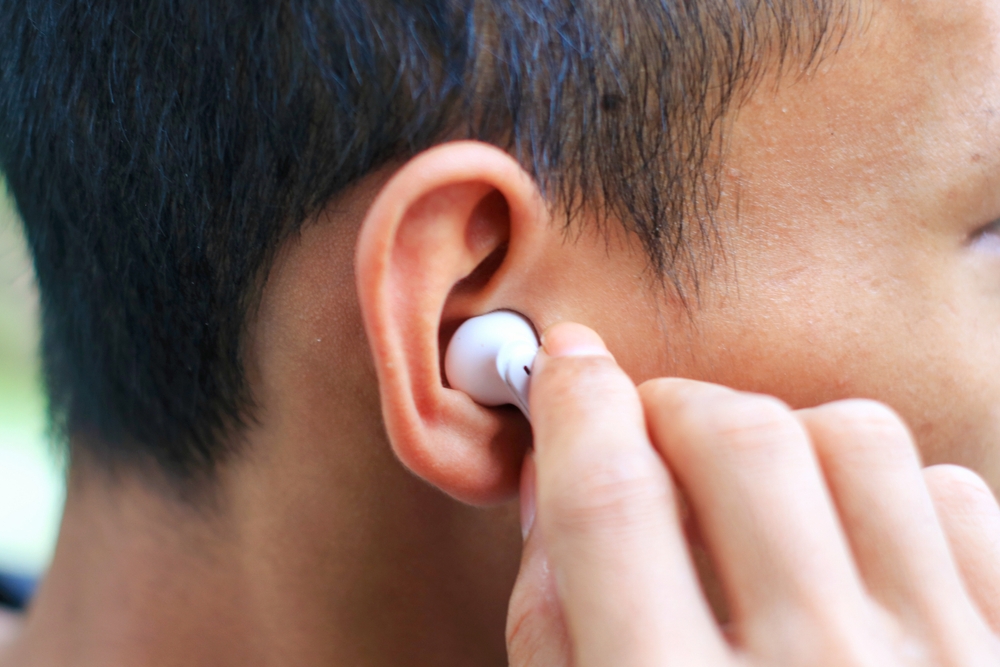
In modern public spaces, the sight of a young person without some form of in-ear audio is rare. While traditional headphones are more substantial in size, adolescents frequently utilize them to create a private acoustic environment. Musical enjoyment knows no age limit, though the younger generation has integrated it more deeply into their daily transitions. This leads to the clinical question: can the proximity of these devices to the ear canal trigger permanent auditory damage? It’s not the device itself, but how we use it.
The Risks of Prolonged High-Decibel Exposure
The right music can induce a state of relaxation, provide spiritual comfort, or drastically boost energy levels. Much depends on the rhythm and volume of the content being consumed. Utilizing personal audio devices is considered a social courtesy, allowing for private enjoyment in communal spaces. This behavior is socially beneficial, and commuters often report a preference for this shared auditory boundaries on public transit.
The primary clinical concerns center on the precise limits of sound pressure and the length of the listening session. It is well-established that loud noise, regardless of the source, can compromise your long-term hearing sensitivity. Combining high-intensity sound with extended exposure times can lead to permanent sensorineural damage. The onset of **Noise-Induced Hearing Loss** is insidious, meaning significant damage often precedes clinical awareness.
Why Earbuds Pose a Unique Threat to Hearing Health
Volume is the key danger for noise-induced hearing loss. Despite this, the cumulative hours of exposure are just as dangerous as a single loud blast.
- Clinical guidelines from the NIH suggest that listening at or below 70 dB prevents damage regardless of the duration.
- The rate of auditory trauma increases exponentially as the decibel level rises.
- Implement the 60/60 safety protocol by capping volume at 60% and taking a break every 60 minutes.
- You can safeguard your auditory health by reducing device intensity and monitoring your cumulative daily usage.
Warning Signs of Hearing Loss
If you notice muffled speech, struggle with background noise, experience **tinnitus**, or constantly require others to speak up, a professional evaluation is necessary.
Schedule an appointment with our specialists if you believe your auditory health has been compromised.
