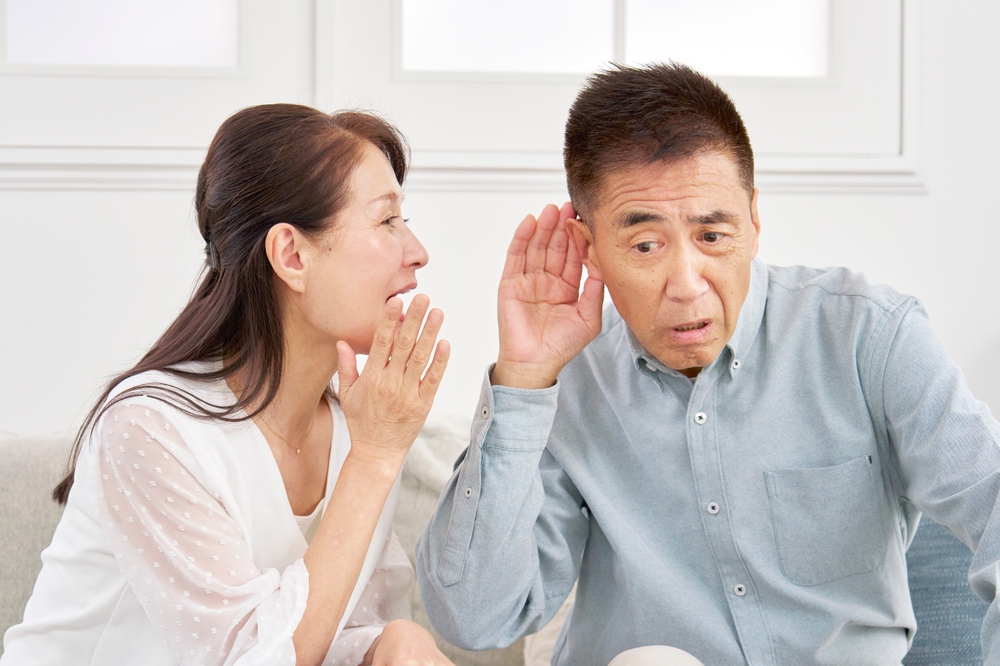
Prevalent myths regarding hearing loss frequently act as a barrier to necessary audiological treatment. And with hearing loss, getting the right care at the right time is critical. Accepting hearing myths as fact typically results in late-stage intervention and diminished communicative function.
Separating hearing truths from common fallacies provides the confidence needed to address auditory changes. We will now examine seven prevalent auditory myths and the clinical evidence that refutes them.
The Fallacy of Senior-Only Hearing Loss
Though presbycusis is a standard clinical finding, hearing loss impacts every biological demographic. Auditory challenges in children and young adults often stem from noise pollution, heredity, or pharmaceutical side effects.
The “aging myth” frequently prevents young and middle-aged adults from pursuing an essential hearing test.
The “I Can Still Hear” Fallacy
Hearing loss doesn’t have to mean complete deafness. Patients with mid-range impairment often perceive environmental noise while losing the ability to decode complex speech. A broad range of auditory dysfunctions exists between asymptomatic hearing and complete deafness.
Signs of decline often involve poor speech-in-noise recognition and significant mental strain after talking with others. Failing to address these subtle changes can lead to long-term communicative difficulties.
Hearing Impairment: More Than a Social Nuisance
The impact of aural decline reaches into the cognitive and emotional well-being of the patient. Evidence-based research correlates auditory neglect with social anxiety, mental fatigue, and depressive symptoms.
Seeking early treatment safeguards your social connections and your long-term neurological function.
4. Myth: Hearing Aids Make Your Hearing Worse
The assumption that amplification leads to “lazy ears” is contradicted by modern audiological science.
Properly programmed hearing aids pose zero risk of physical damage to the auditory system. Instead, they amplify sounds based on your hearing test results. In many cases, using hearing aids can help the brain stay engaged in processing sound, supporting long-term auditory health.
Modern Hearing Aids: Invisible and Powerful
Modern hearing technology has advanced significantly. The latest generation of devices offers massive amplification capability in a nearly weightless form factor. Numerous models—such as Invisible-in-the-Canal (IIC) devices—remain completely hidden during daily use.
Modern tech includes advanced directional microphones and wireless streaming directly to the patient’s ears.
6. Myth: If My Hearing Loss Is Mild, I Don’t Need Treatment
Even mild hearing loss can impact communication and daily life. Prompt intervention mitigates listening fatigue by making sound processing effortless for the neurological system.
Early clinical action ensures that the brain’s auditory processing centers remain sharp and functional.
7. Myth: Over-the-Counter Solutions Are Always Enough
Store-bought devices provide “blanket” amplification rather than the targeted help your ears likely need. A professional hearing evaluation ensures that treatment is tailored to your individual needs.
Custom-fit solutions provide a level of acoustic fidelity that generic devices simply cannot match.
Taking Control: Overcoming Misinformation for Better Hearing
While aural changes are intimidating, delaying care only leads to more complex communicative issues. Auditory fallacies act as roadblocks to the treatment that could change your life today. The good news is that hearing evaluations are simple, painless, and highly informative.
Should you perceive even minor shifts in your auditory acuity, a baseline exam is your most critical move. Seeking help sooner rather than later preserves both your social life and your neurological sharpness.
If you want to learn more about your hearing health or schedule a hearing evaluation, our team is here to help! Our team is available for appointments: Call us today to protect your hearing.
