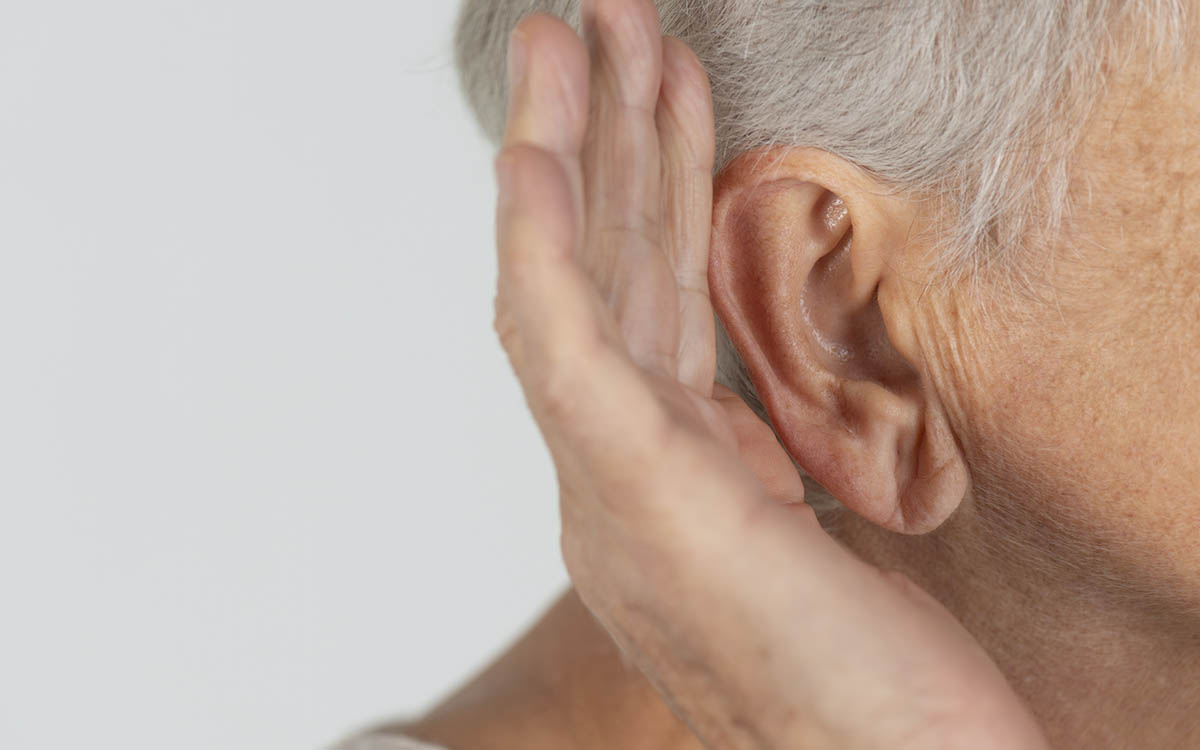
Many individuals correlate hearing loss to the aging process, yet for a vast number of citizens, ear injury manifests significantly sooner. Noise-induced hearing loss represents a common, preventable auditory pathology, escaping notice until it becomes a permanent condition.
Comprehensive knowledge of how chronic noise exposure affects the ears can help you protect yourself before substantial hearing loss manifests.
Defining Sound-Triggered Hearing Loss: An Overview
Noise-induced hearing loss occurs when loud sounds damage the delicate structures inside the inner ear. According to the Centers for Disease Control and Prevention, auditory impairment may begin with chronic exposure to noise levels over 85 decibels. Intense noise sources, specifically firearms or industrial tools, can compromise hearing integrity within a very brief timeframe.
The internal auditory system houses delicate sensory units termed hair cells. These receptors facilitate the conversion of acoustic vibrations into electrical signals decoded by the brain. Once damaged, hair cells do not regenerate, making this form of hearing loss a lifelong auditory deficit.
Analyzing the Accumulation of Ear Damage
A primary clinical concern regarding noise-induced hearing loss is its typically slow rate of progression. Initial clinical indicators of sound-induced trauma may involve:
- Occasional instances of Tinnitus, characterized by ringing or buzzing sounds
- A feeling of muffled hearing after loud events
- Reduced ability to distinguish vocal communication in loud surroundings
Initial symptoms may subside, frequently resulting in the incorrect assumption that hearing function has returned to baseline. In reality, repeated noise exposure continues to injure inner-ear structures, slowly reducing hearing clarity and sensitivity over time.
According to the hearing loss Association of America, nearly 48 million citizens live with hearing loss, often without realizing the cause.
Frequent Daily Risks contributing to Ear Injury
In our modern environment, individuals often develop a tolerance or desensitization to high-volume sounds. As a result, many individuals remain unaware of the clinical prevalence of damaging noise exposure.
Commonly encountered risks include:
- Venues featuring high-decibel live music
- High-volume output from personal listening equipment
- Gas-powered lawn tools, industrial machinery, and motorcycles
- Workplace noise in construction, manufacturing, or warehouses
Because these sounds are often part of daily life, damage can accumulate without clear warning signs.
The Imperative of Hearing Safeguards
In contrast to certain medical conditions, noise-induced hearing loss is characterized by its permanent nature. The condition is, however, susceptible to effective preventative strategies. Simple protective habits can significantly reduce risk, including:
- The application of earplugs or attenuation earmuffs in loud areas
- Modulating audio output levels and observing 60/60 rule constraints
- Implementing quiet intervals to permit the auditory system to rest
- Ensuring consistent Audiology check-ups for those in high-noise environments
Indicators to Schedule Professional Hearing Care
Should you experience persistent Tinnitus or a decline in conversational understanding, a professional evaluation is indicated. Early intervention through an Audiologist allows for the monitoring and implementation of essential protective measures.
Prioritizing auditory health now ensures the preservation of hearing clarity for the future. While environmental noise is often inevitable, hearing loss is a preventable outcome. Please contact our clinic to arrange a professional consultation regarding your auditory health.
